Manufacturing
·
— 14 min read
Work equipment inspections: the register

In most small Croatian plants, work equipment inspections live in a binder of reports, an Excel sheet someone built five years ago and a reminder in the maintenance manager's calendar. The Croatian rulebook on the inspection and testing of work equipment (Pravilnik o pregledu i ispitivanju radne opreme, Narodne novine 16/2016, amended in 2022) requires machines, plants and load handling equipment to be inspected and tested at the intervals set by the manufacturer, and at least every three years, and it expects the employer to show when each machine was last tested.
For a maintenance manager in a 30-person plant with around forty machines, this comes down to three questions: which machine falls under the rulebook, when its deadline runs out and where the last report is. This post gives you a work equipment register with an example, a rule for the next due date, the list of events requiring an extra inspection, a daily visual check checklist and an example work order. The last part shows how the same process runs in Serwizz.
The topic is current because machine supervision is changing. Croatia's act implementing the EU Machinery Regulation 2023/1230 was published in Narodne novine 128/2026 in early November and takes effect on 20 January 2027. Its Article 13 states plainly: once a machine is in use, the labour inspectorate supervises how it's used. The end of the year is also when the 2027 maintenance plan and budget get built, and the number of inspections falling due goes into both.
Why do work equipment inspections slip in a small plant?
Work equipment inspections slip because the deadline belongs to the machine, while the information about the machine sits in three places. The manufacturer's manual is in the foreman's cabinet, the authorised inspector's report is in the health and safety binder, and only the maintenance manager knows where each machine stands on the shop floor. When one of these changes, the deadline gets lost.
Which equipment falls under the rulebook?
Article 1 of the rulebook covers work equipment made up of machines and devices, plants, and equipment for lifting and moving loads. Article 3 excludes, among others, household appliances, ordinary office machines, IT equipment, low-voltage switchgear and control gear, and electric motors, and paragraph 2 of the same article excludes hand tools as well as scaffolding and other equipment for temporary work at height.
In practice, the lathe, CNC milling machine, hydraulic press, overhead crane and forklift go on the register, while the angle grinder and hand drill don't. A plant which has never gone through its equipment with this question in mind doesn't know how many inspections it needs each year, or how many it pays for.
The manufacturer's interval comes first, three years is the upper limit
Article 7 of the rulebook lists when the employer has to arrange an inspection and test: at the intervals set by the manufacturer in the operating and maintenance instructions, periodically at intervals no longer than three years, before use at a new workplace, after exceptional circumstances affecting the safe operation of the equipment, and on the order of a labour inspector.
This is why two machines in the same hall have different deadlines. A press whose manufacturer asks for a yearly test goes for testing every 12 months, while a machine with no manufacturer interval goes after three years at the latest. If you track one shared date for the whole plant, you'll miss the first manufacturer deadline next year.
Moving a machine triggers a new inspection
Relocation is the case most often missed. When a machine is dismantled and set up somewhere else in the hall, it needs a new inspection and test before use at the new location, even if the regular deadline hasn't passed. The same applies after a breakdown, a fire or a long standstill with a possible effect on the machine's safety. The Croatian rulebook on safety in the use of work equipment (Narodne novine 18/2017) calls these special inspections by authorised persons after exceptional circumstances, in its Article 6.
The report goes through the state system, the records stay with you
Since 1 January 2023, the authorised inspector draws up the inspection and test report through the Croatian occupational safety information system, and the annex of the rulebook sets its content, including the deadline for the next inspection and test. Under Article 6 of the rulebook on safety in the use of work equipment, the employer keeps records of inspections, stores them and makes them available to the inspector. Equipment used outside the employer's premises needs physical proof of its last inspection.
Neither rulebook sets a retention period for the reports. Serwizz recommends keeping every report for the full working life of the machine, because the last report shows only the latest condition, while the series of reports shows how the machine was maintained.
Serwizz customers we spoke with described the same pattern before switching to digital work orders: printed reports, photos on WhatsApp and Excel sheets per department. The biggest benefit they named was having the documentation in one place, with audit preparation no longer taking days.
How to build the work equipment register and inspection deadlines
The process has five steps. You do the first three once per machine, and the last two each time a deadline comes up or something changes.
Step 1: list the equipment and mark the scope
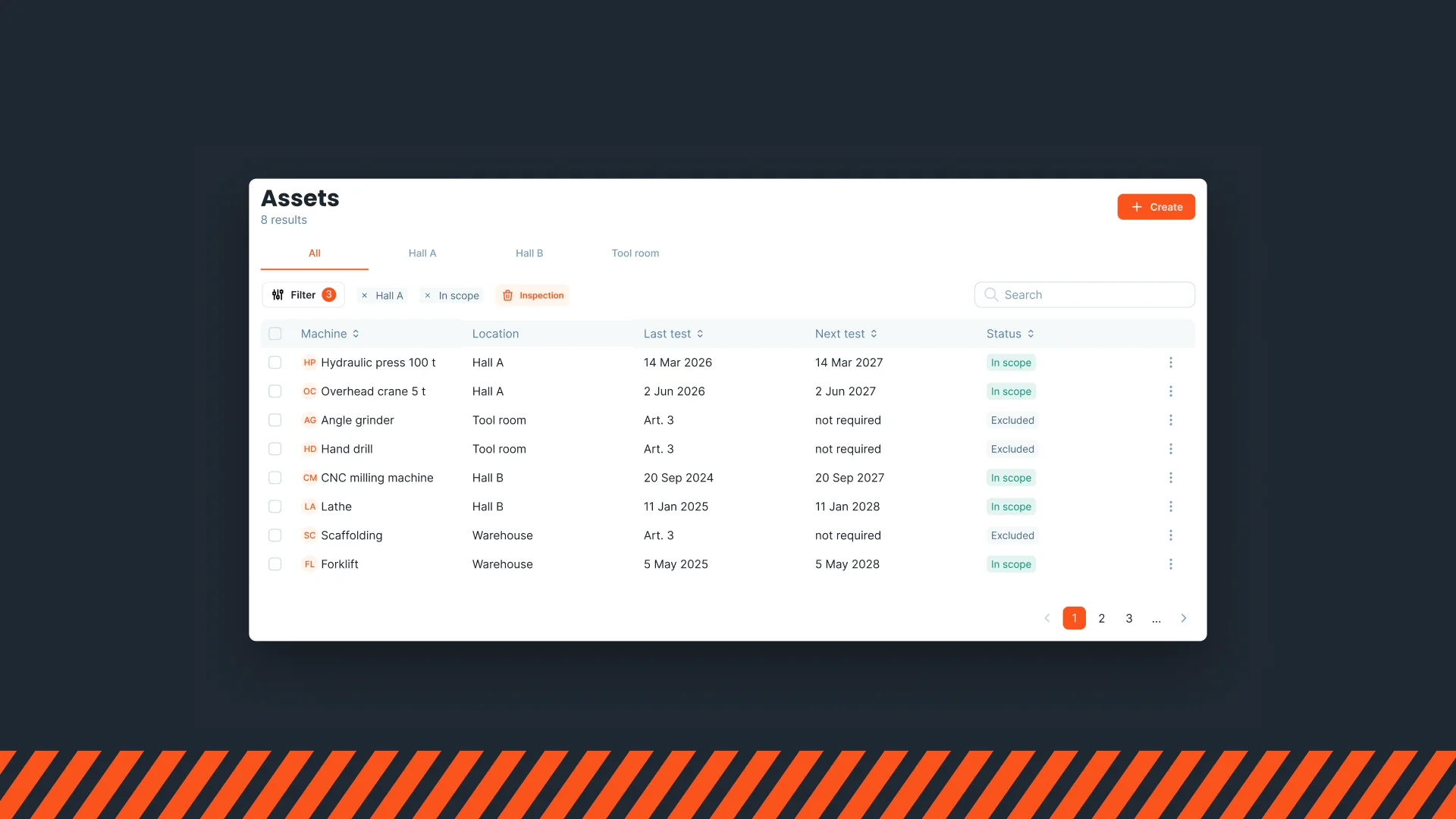
Walk the plant hall by hall and, for every machine, write down the asset number, name, manufacturer, year of manufacture, location and whether it falls under the rulebook. Add equipment excluded by Article 3 to the register as "excluded", so nobody spends time on the same question next year.
| Asset no. | Machine | Location | In scope | Manufacturer interval | Last test | Next test |
|---|---|---|---|---|---|---|
| S-014 | Hydraulic press 100 t | Hall A | yes | 12 months | 14 Mar 2026 | 14 Mar 2027 |
| S-021 | Overhead crane 5 t | Hall A | yes | 12 months | 2 Jun 2026 | 2 Jun 2027 |
| S-030 | CNC milling machine | Hall B | yes | not stated | 20 Sep 2024 | 20 Sep 2027 |
| S-031 | Lathe | Hall B | yes | not stated | 11 Jan 2025 | 11 Jan 2028 |
| A-102 | Angle grinder | Tool room | excluded | not applicable | not applicable | not applicable |
The dates in the table are an example, not real data. Your own register will likely also have columns for the authorised inspector, the report number and a note on relocation.
Step 2: enter the manufacturer's interval
Open the operating and maintenance instructions for each machine in scope and look for the inspection and test interval. If there are no instructions, or the manufacturer set no interval, write "not stated". Such a machine then goes for testing at the three-year upper limit.
Step 3: work out the next due date
The next due date is the date of the last test plus the shorter of two intervals, the manufacturer's or three years. For the press in the example, it's 14 March 2026 plus 12 months, or 14 March 2027. For the CNC milling machine with no manufacturer interval, it's 20 September 2024 plus three years, or 20 September 2027. Compare the deadline in the inspector's report with your calculation, and if they differ, check with the authorised inspector which deadline applies before you enter it in the register.
Step 4: add the triggers for an extra inspection
Next to every machine in the register, track the events which override the regular deadline:
- The machine was dismantled and set up at a new workplace.
- The machine went through a breakdown, fire, flood or long standstill with a possible effect on its safety.
- A labour inspector ordered an inspection and test.
When any of these happens, the machine stays out of operation until the authorised inspector has inspected and tested it, and the new date becomes the starting point for the next regular deadline.
Step 5: the inspection work order
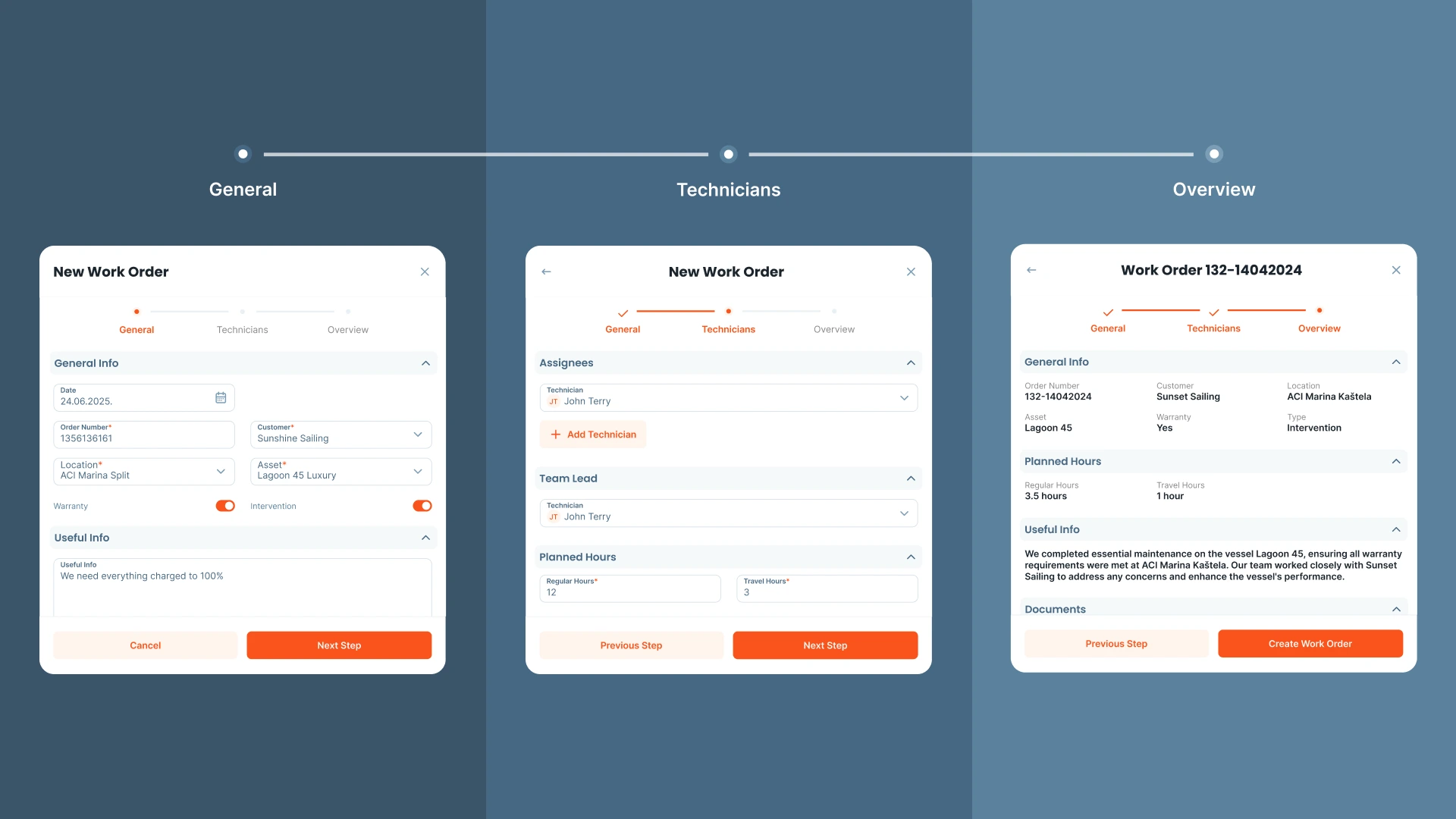
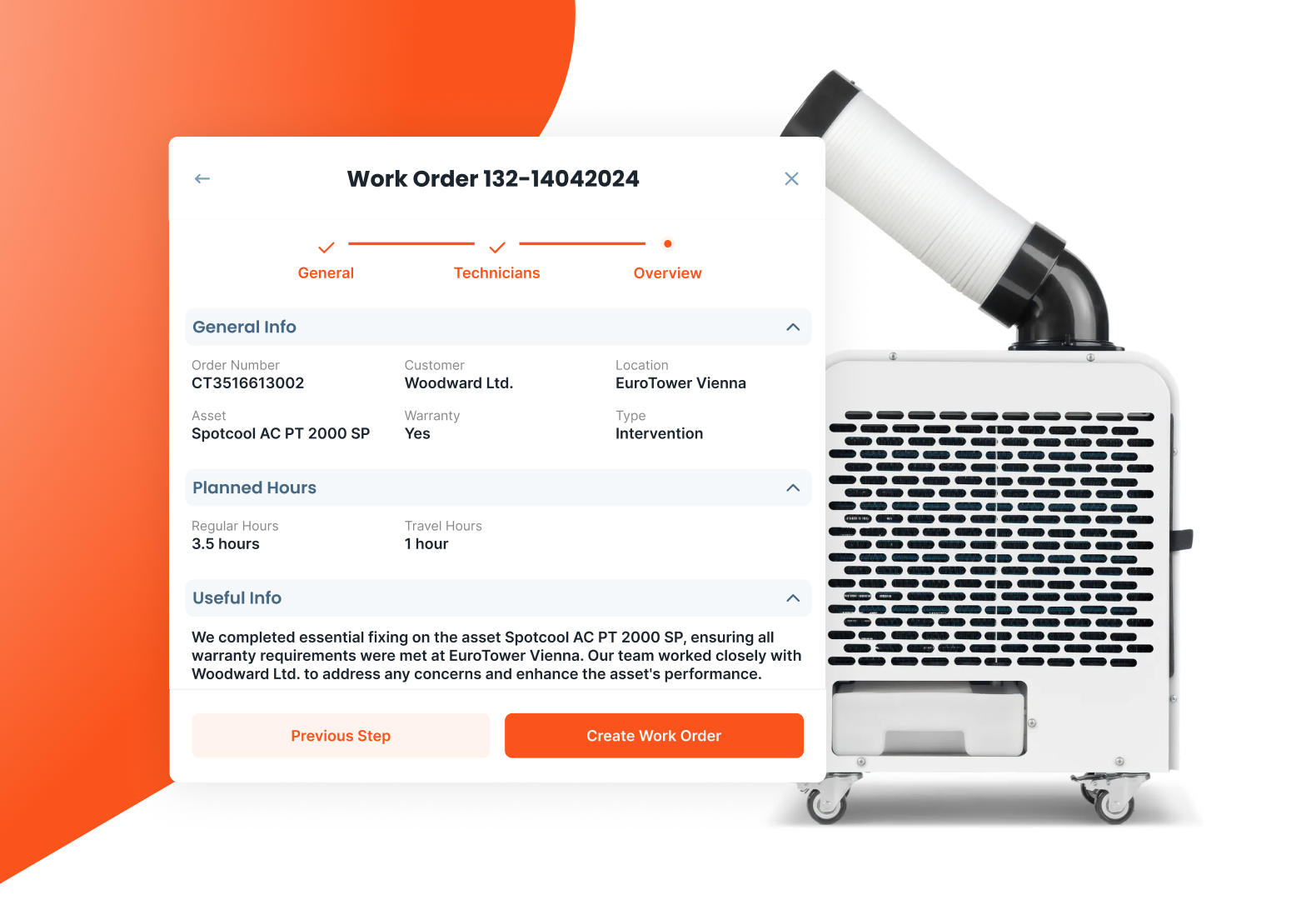
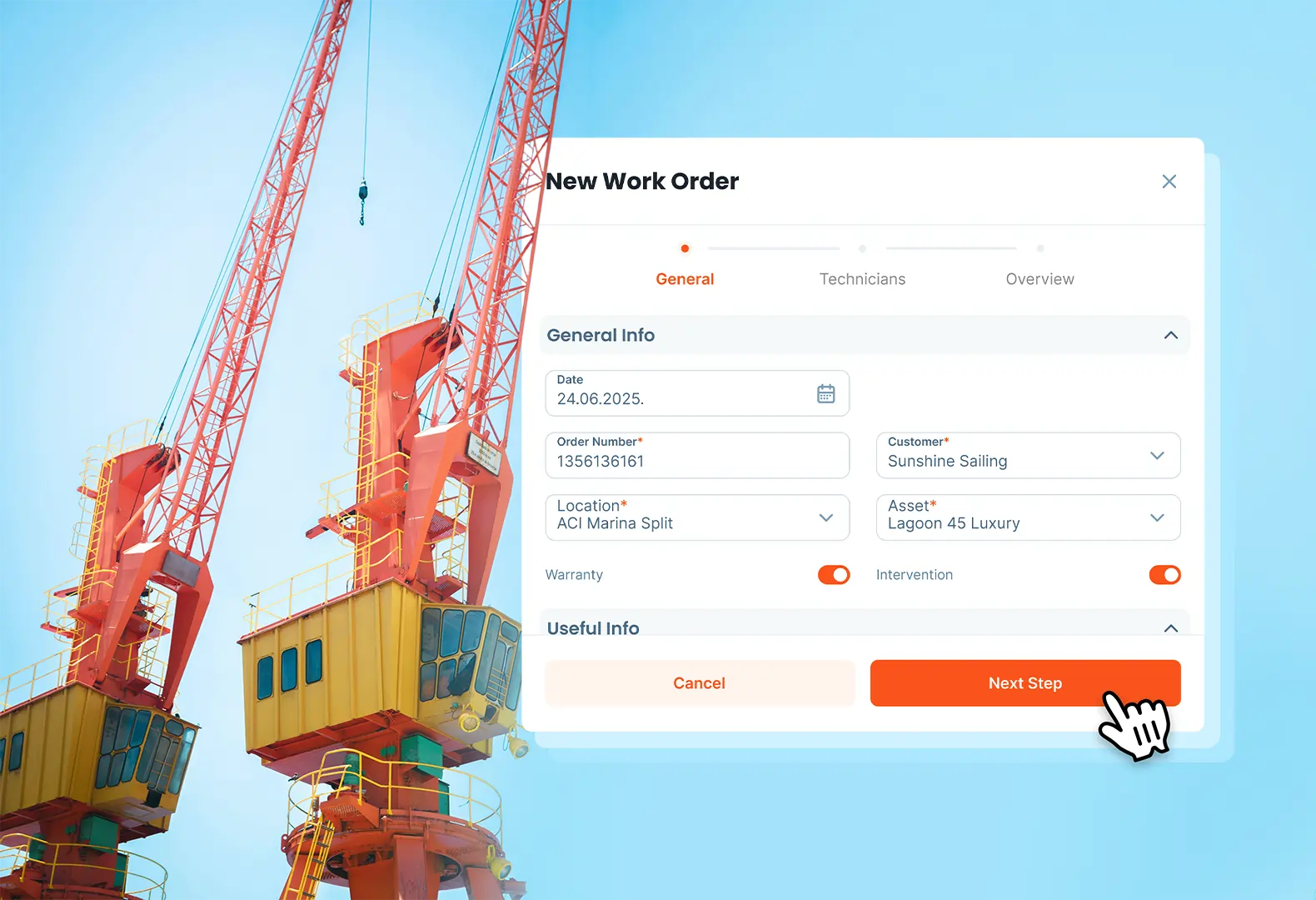
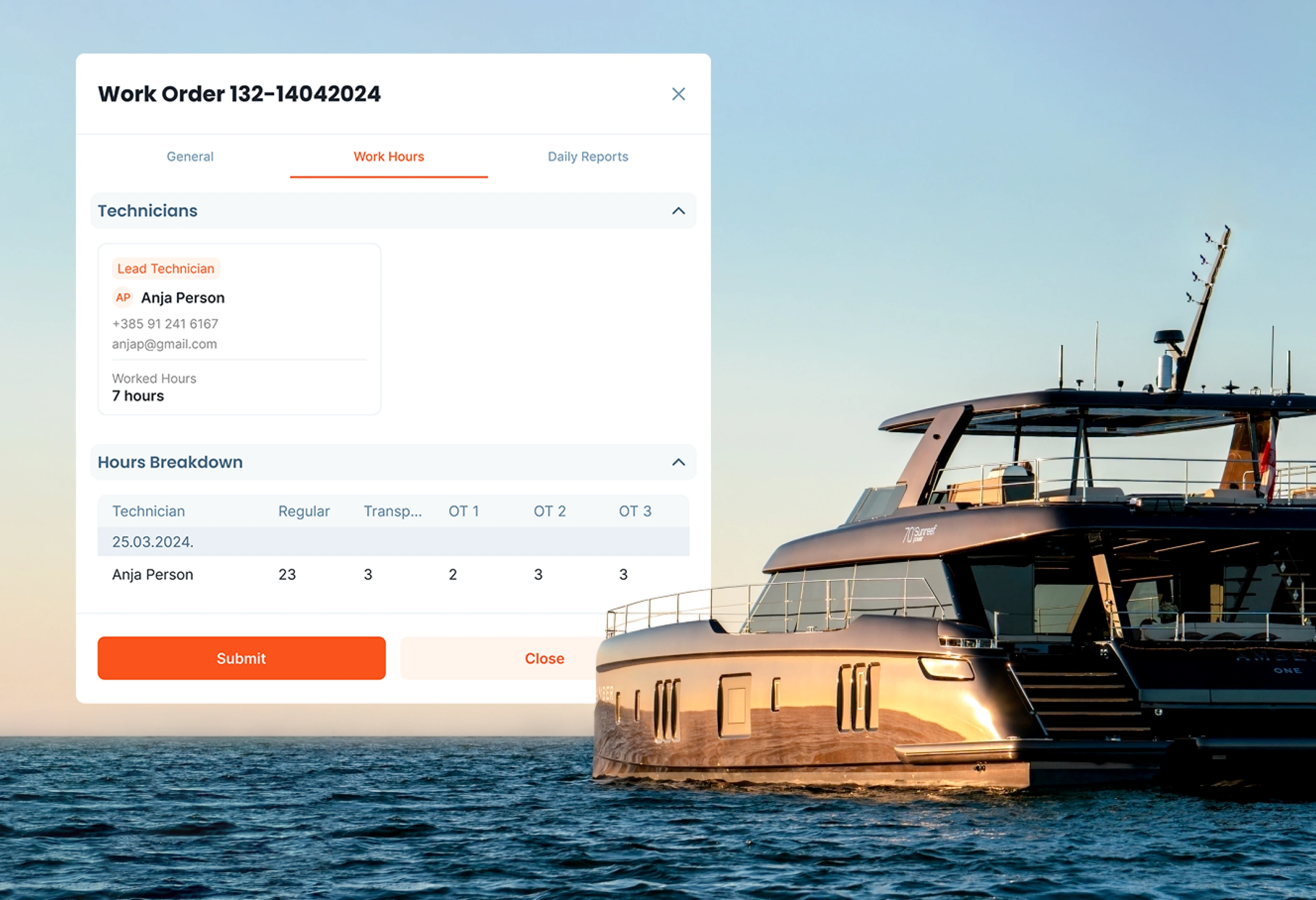
Run every inspection as a work order, opened early enough for the authorised inspector to schedule a visit and for production to plan the machine's downtime. The work order holds:
- the machine, asset number and location
- the type of inspection: regular, after relocation, after exceptional circumstances or on an inspector's order
- the authorised inspector and the agreed date
- the planned machine downtime in hours
- the inspector's report as an attachment, with the report number
- the next inspection and test deadline, copied from the report
- defects from the report as separate corrective work orders
If the report lists a defect, the machine doesn't wait for the next deadline. The corrective work order opens the same day, and the machine stays out of use until the defect is fixed, if the report says so.
The daily visual check before work
Article 11 of the rulebook requires the employer, regardless of the periodic tests, to arrange a visual check of the safety and health requirements every day before the work equipment is used. The simplest way is a short checklist the operator fills in at the start of the shift:
- Guards and covers are in place and undamaged.
- The emergency stop button works.
- There are no visible oil or air leaks.
- Warnings and markings on the machine are legible.
- The area around the machine is clear.
Serwizz recommends keeping the list to five to ten items per machine, because operators start ticking a long list without looking.
How it works in Serwizz
Serwizz runs the same process in one place, from the machine register to the report.
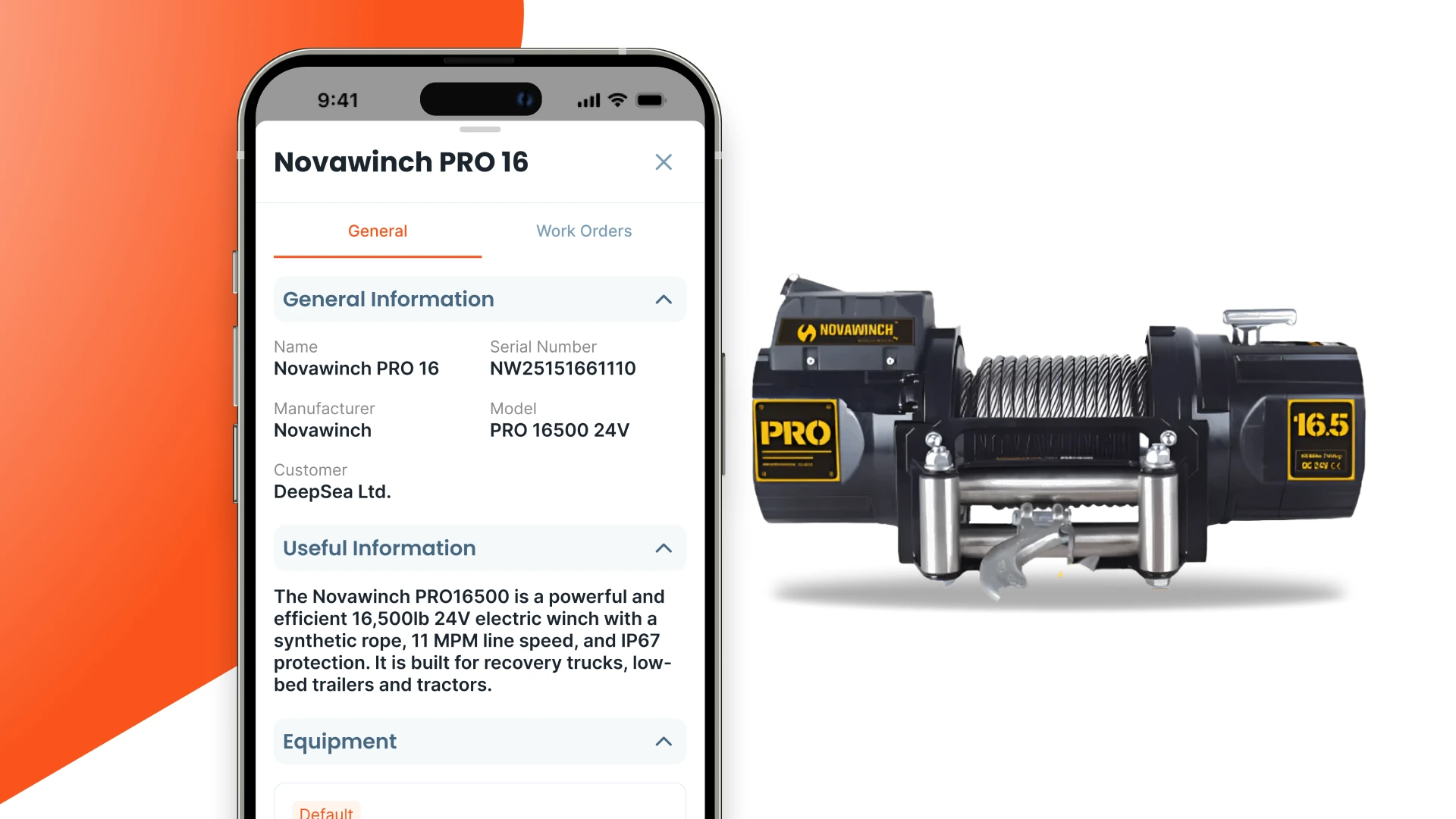
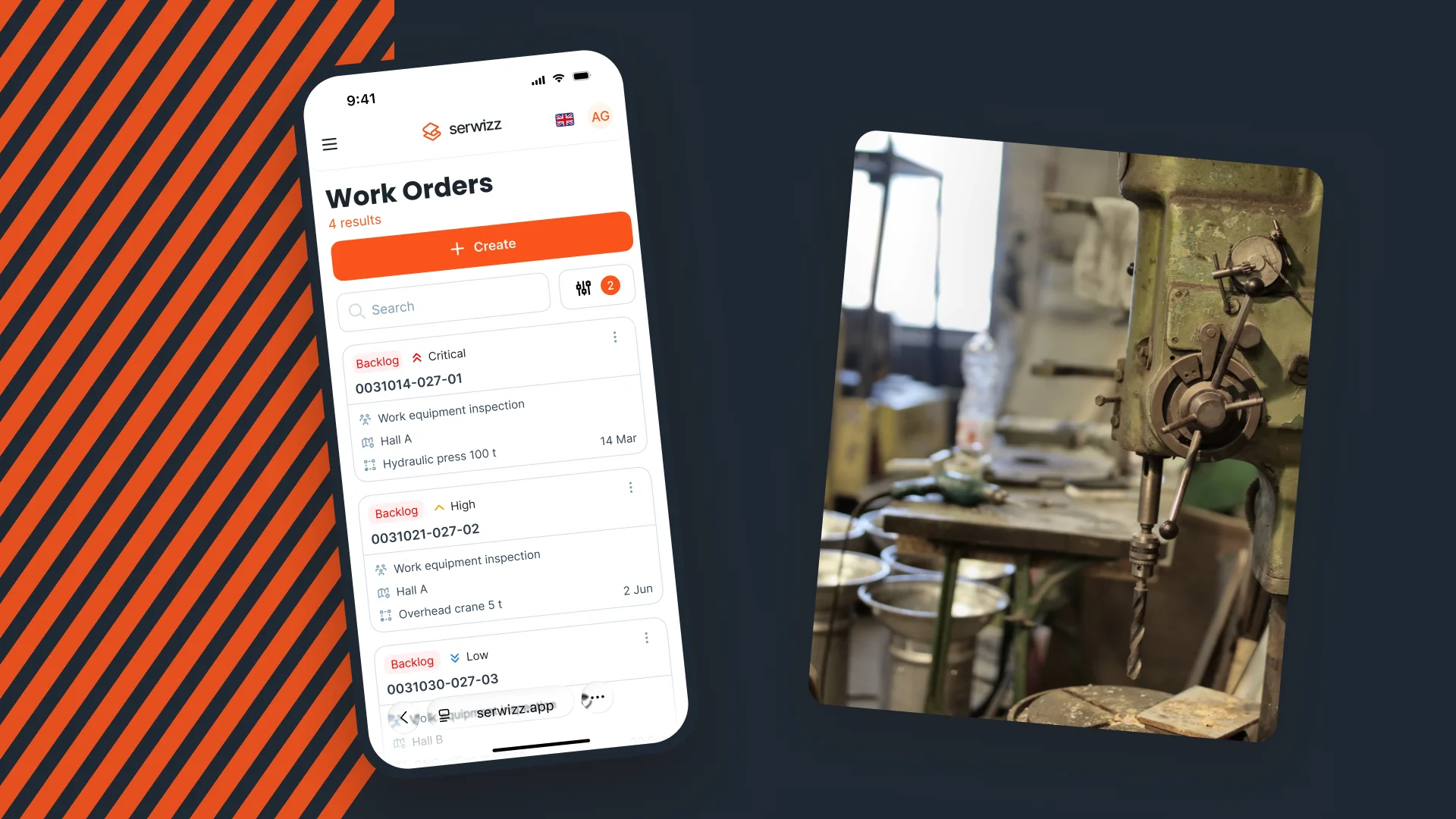
Every machine is a record in asset management, with its asset number, location and documentation. The manufacturer's instructions and every report from the authorised inspector sit with the machine, so the inspection history is available at any time, both to the manager in the office and to the technician on a phone.
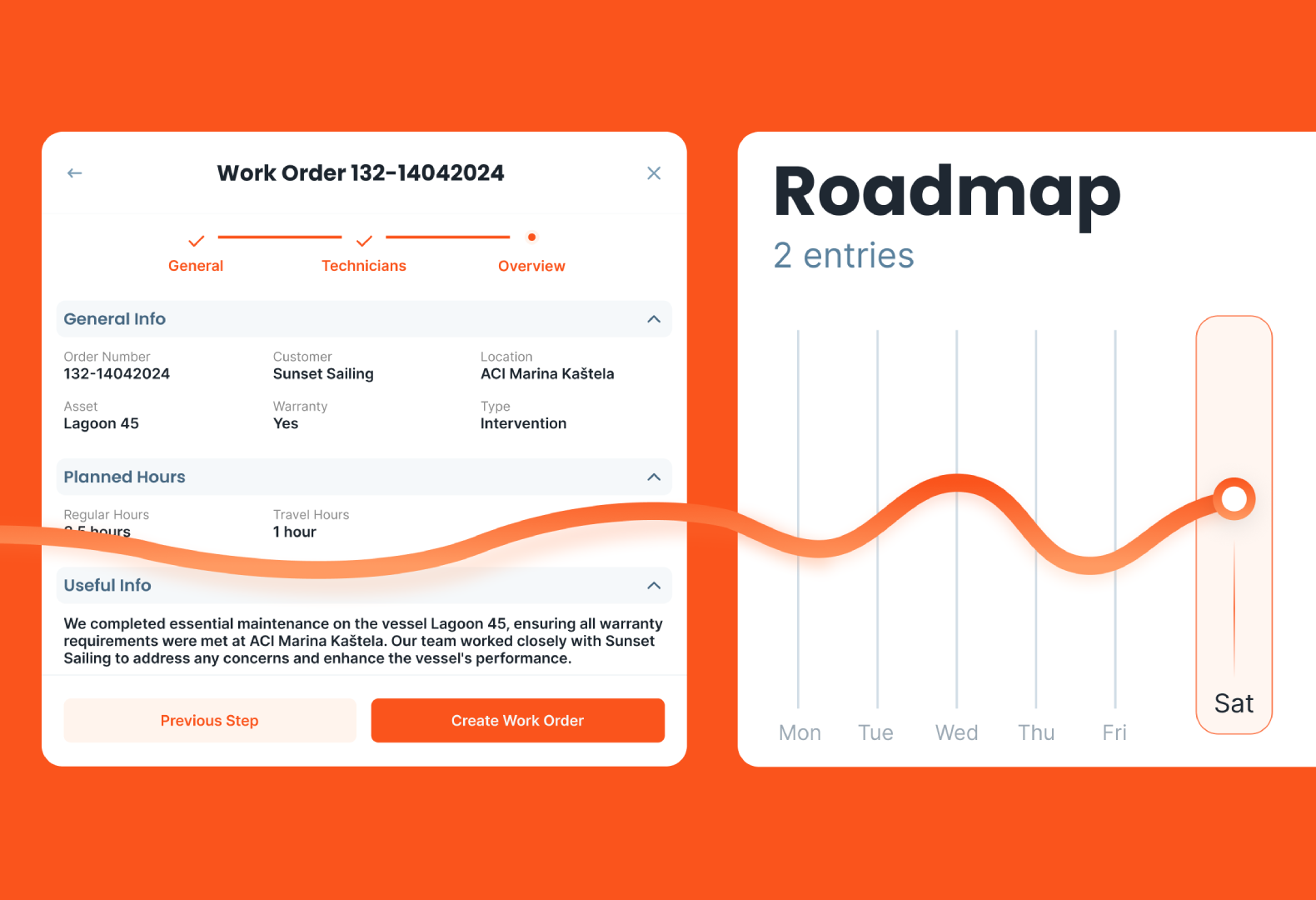
The inspection deadline becomes a recurring schedule in preventive maintenance. Serwizz generates a work order for each machine ahead of time, following the interval you set in step 3, so the manager sees every inspection due in the next quarter and groups them into a single visit by the authorised inspector.
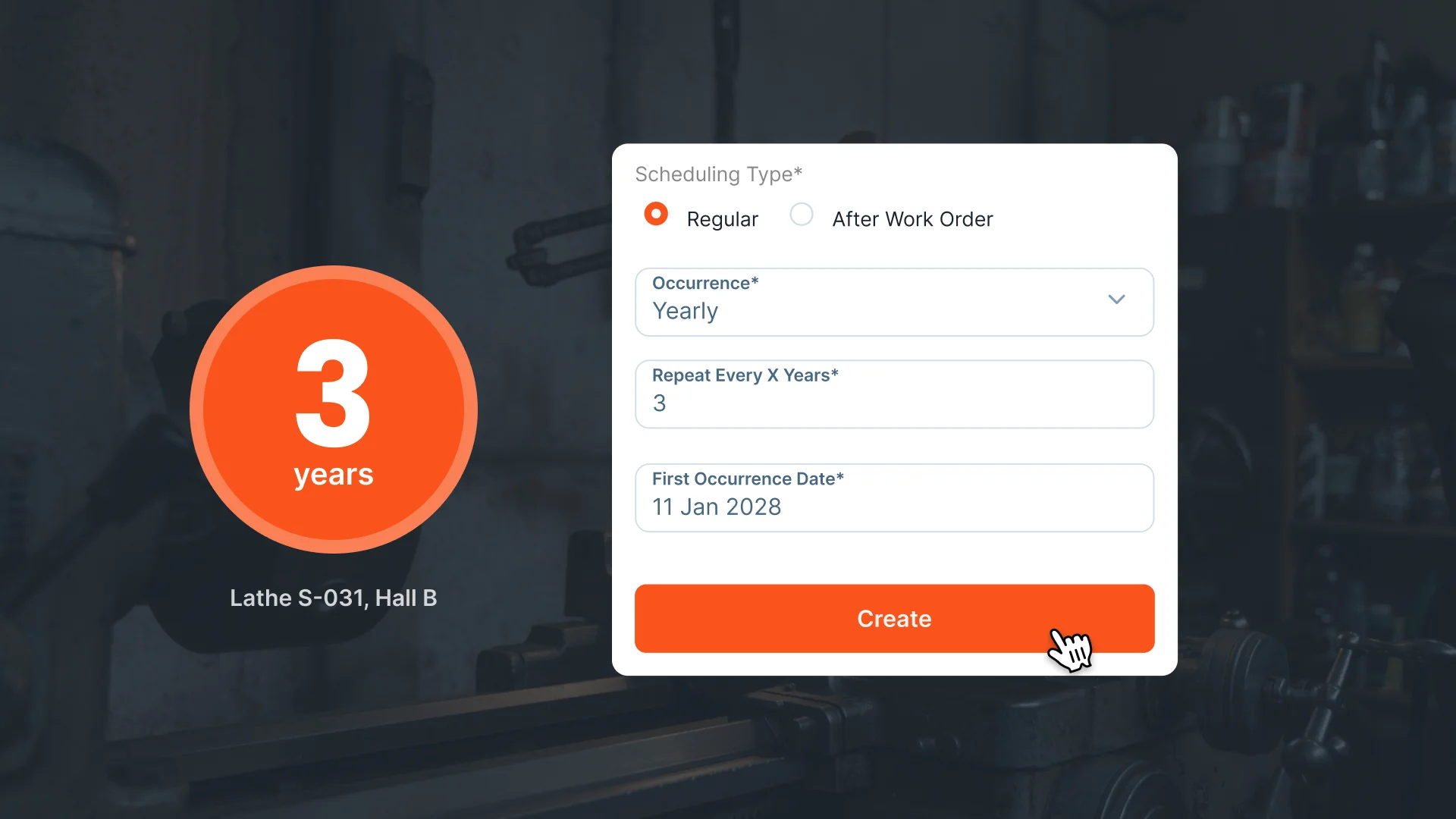
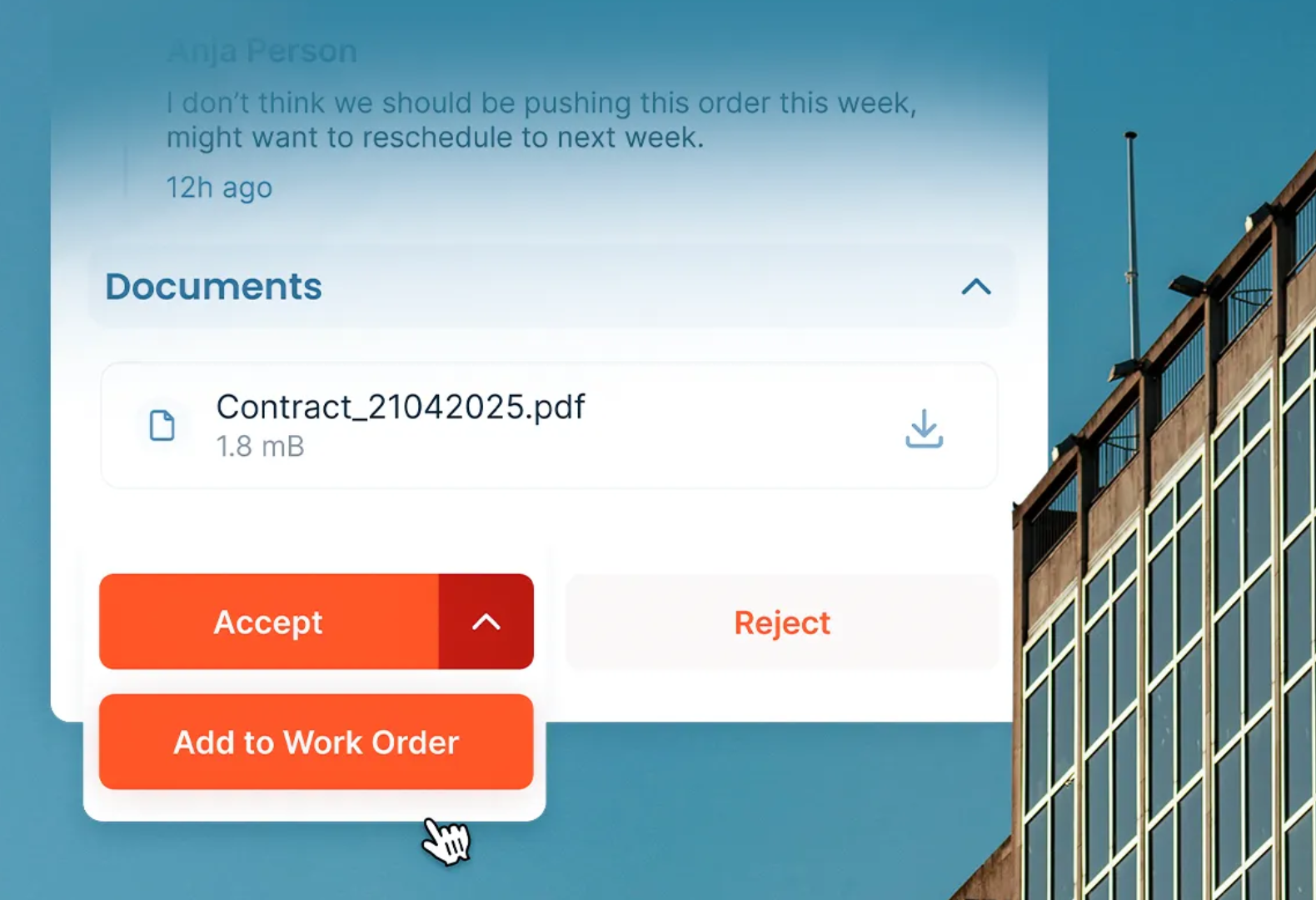
When the inspector is done, the technician attaches the report to the work order, enters the next deadline and opens corrective work orders for the defects. The daily visual check runs through maintenance checklists, which the operator fills in on a phone before the shift starts. Serwizz is a PWA, so it opens in the browser with no app store install.
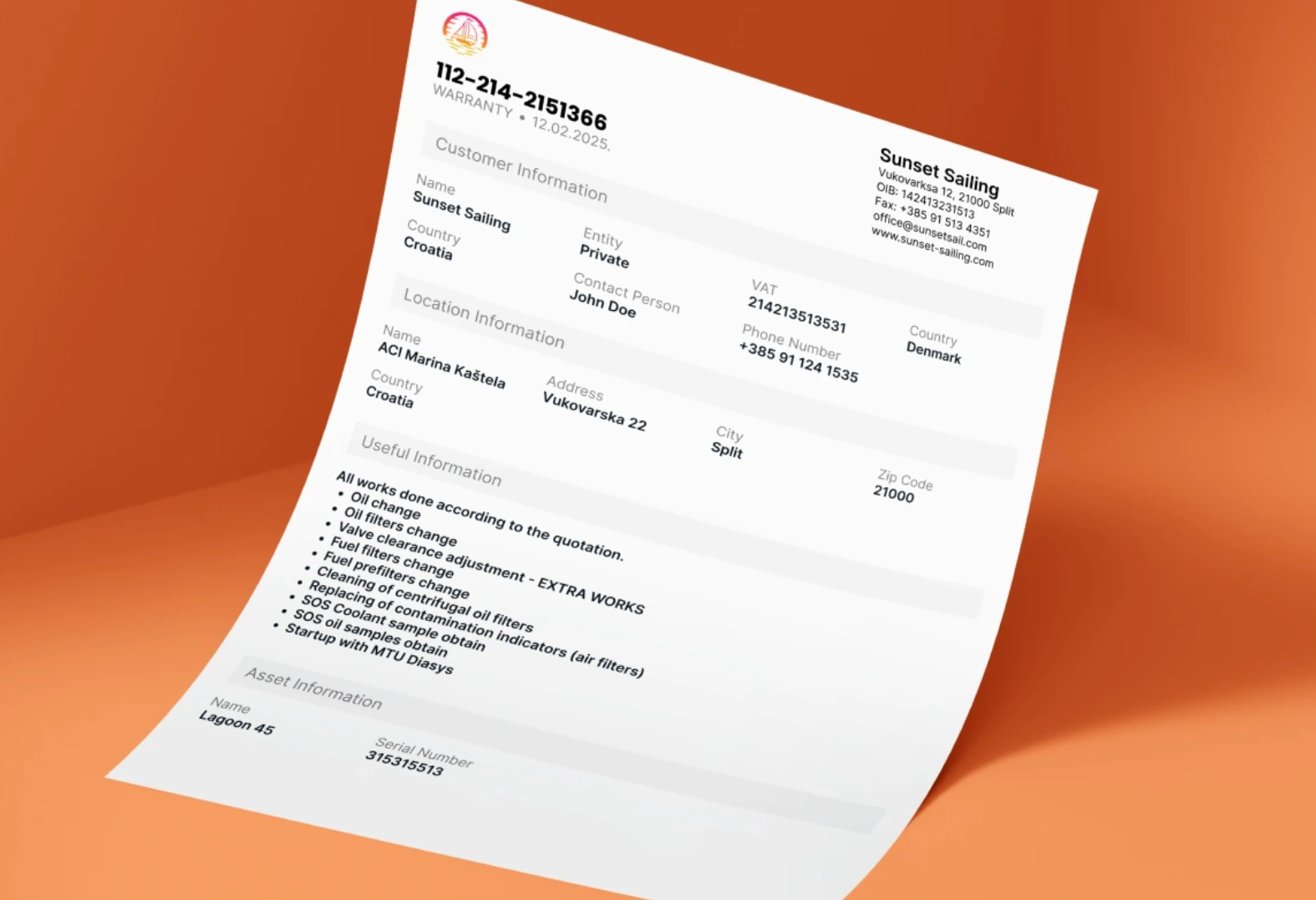
Serwizz doesn't draw up the report or submit it to the occupational safety information system. The authorised inspector does this. Serwizz keeps a copy of the report with the machine and the work order, so you show the records to the inspector without searching through binders. The annual maintenance plan post covers how inspections fit into the rest of the year, and the manufacturing page covers how Serwizz works with production plants.
Your machine register before 20 January
A work equipment register with the manufacturer's interval, the last test and the calculated next due date gives you the number of inspections for the 2027 budget and the answer to a labour inspector's first question, and built before the new machinery act takes effect, it becomes the basis for the whole year's schedule.
Request your Serwizz CMMS demo and we'll show you how your machine register becomes a schedule of recurring work orders for work equipment inspections. If you'd like to try it yourself, start a free trial.